Mount Kilimanjaro Safari
Mount Kilimanjaro, located in northern Tanzania, is Africa’s highest mountain and the tallest freestanding mountain in the world. It rises to approximately 5,895 metres (19,341 feet) above sea level and is a dormant volcanic mountain with three volcanic cones: Kibo, Mawenzi, and Shira.
A Mount Kilimanjaro safari offers travelers an opportunity to experience one of Tanzania’s most remarkable natural landmarks through trekking, mountain exploration, scenic landscapes, and cultural experiences. Kilimanjaro attracts climbers and adventurers from around the world because of its spectacular scenery, diverse ecosystems, and several routes leading toward the summit.
Mount Kilimanjaro Safari Tours
Climbing Routes
Mount Kilimanjaro has several established climbing routes, each offering different scenery, levels of difficulty, and opportunities for acclimatization. Popular routes include Marangu, Machame, Lemosho, Rongai, and the Northern Circuit.
The Machame and Lemosho routes are well known for their scenic landscapes, while the Marangu Route is traditionally popular because of its established hut accommodation. The Rongai Route approaches the mountain from the north, while the Northern Circuit provides a longer route with additional time for acclimatization.
Vegetation Zones
Mount Kilimanjaro features distinct ecological zones that change dramatically as climbers ascend toward the summit. The lower slopes include cultivated areas and lush rainforest, followed by heath and moorland zones at higher elevations.
Further up the mountain, the landscape changes into an alpine desert before reaching the arctic summit zone around the upper reaches of Kibo. Each zone has unique vegetation, scenery, and environmental conditions, making the climb a remarkable journey through several ecosystems.
Wildlife and Conservation
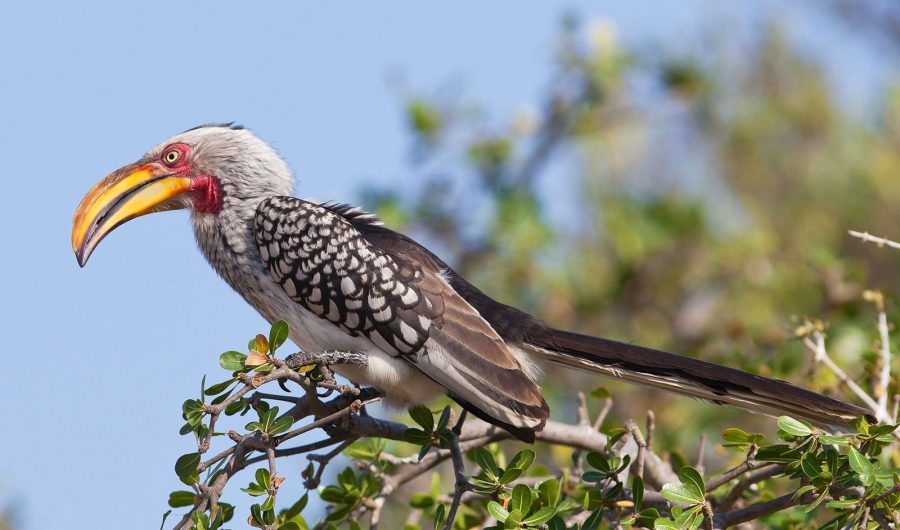
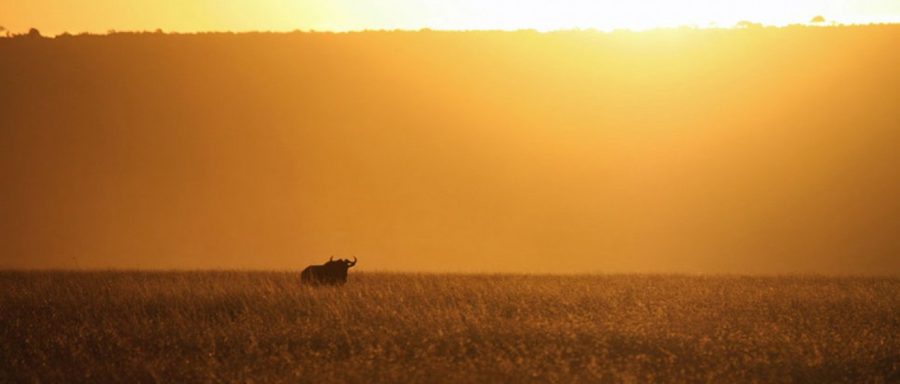
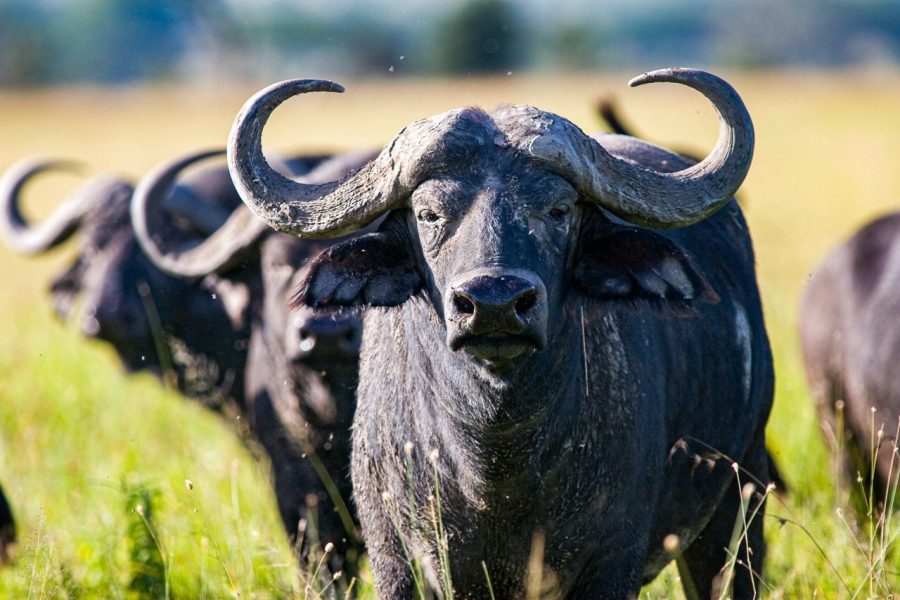
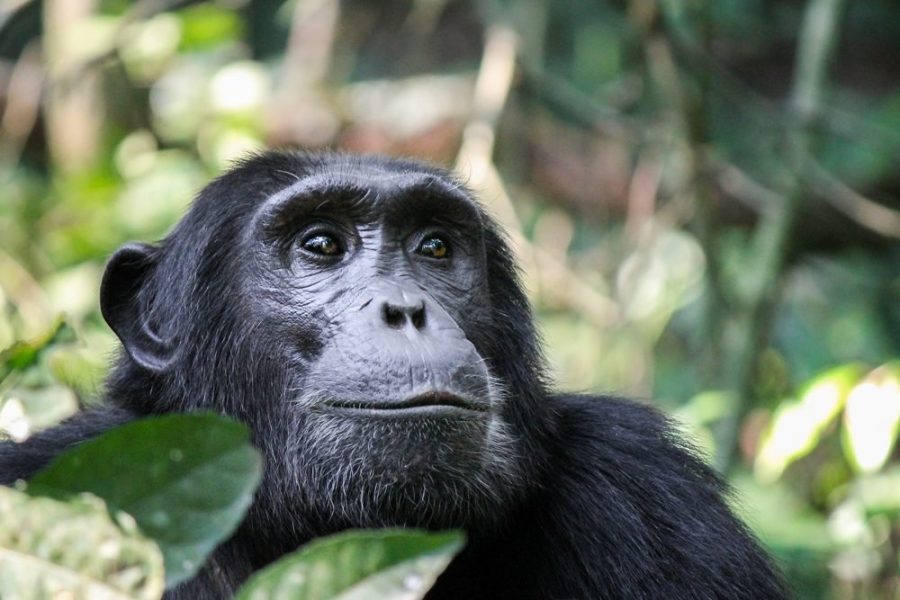
Mount Kilimanjaro is protected within Kilimanjaro National Park, which helps conserve the mountain’s ecosystems and surrounding natural environment. The lower areas support a variety of wildlife and bird species, while the higher elevations become increasingly challenging for most animals.
Conservation efforts focus on protecting the mountain’s forests, wildlife habitats, water resources, and fragile high-altitude ecosystems. Visitors are encouraged to follow responsible trekking practices and help preserve the natural environment.
Cultural Significance
Mount Kilimanjaro has strong cultural significance for the Chagga people, many of whom live on the mountain’s southern and eastern slopes. The surrounding communities have developed agricultural practices suited to the fertile lower slopes of the mountain.
Cultural experiences can provide visitors with opportunities to learn about Chagga traditions, local agriculture, food, history, and everyday life while gaining a deeper understanding of the communities surrounding Kilimanjaro.
Best Time to Climb
The best periods for climbing Mount Kilimanjaro are generally the drier seasons from January to March and June to October. These periods often provide better trekking conditions, clearer views, and lower chances of heavy rainfall compared with the wetter months.
The mountain can be climbed throughout much of the year, but conditions vary with the seasons. Climbers should be prepared for changing weather, cold temperatures at higher elevations, and demanding mountain conditions regardless of the time of year.
Accessibility
Mount Kilimanjaro is easily accessible through Kilimanjaro International Airport, which is located near Moshi and provides convenient access to the mountain. Arusha also serves as an important starting point for travelers exploring northern Tanzania.
Most Kilimanjaro climbs begin from one of the mountain’s designated trailheads. Professional guides and tour operators can assist with route planning, park requirements, accommodation, transportation, and other arrangements needed for a mountain trekking experience.
Mount Kilimanjaro Safari Packages
Mount Kilimanjaro offers an unforgettable combination of mountain scenery, diverse ecosystems, challenging trekking routes, wildlife conservation, and cultural experiences. Whether you are planning a short mountain adventure or a multi-day climb to the summit, a Mount Kilimanjaro safari provides an opportunity to experience one of Tanzania’s most iconic natural landmarks.