Ngorongoro Crater Safari
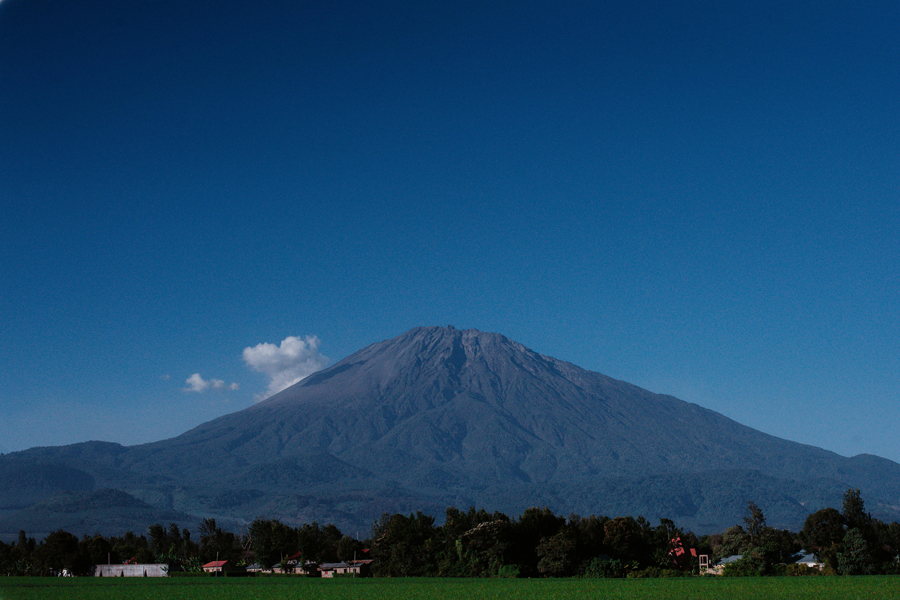
Ngorongoro Crater, a UNESCO World Heritage Site, is one of Tanzania’s most iconic and remarkable natural wonders. It is the world’s largest inactive, intact, and unfilled volcanic caldera, formed millions of years ago after a massive volcano collapsed.
The crater is approximately 610 metres deep and covers around 260 square kilometres. It lies within the Ngorongoro Conservation Area in northern Tanzania and provides a remarkable setting for wildlife viewing, scenic exploration, and cultural experiences.
A Ngorongoro Crater safari offers visitors an opportunity to explore one of Africa’s most spectacular wildlife destinations, with a high concentration of animals living within the crater’s diverse habitats.
Ngorongoro Crater Safari Tours
Wildlife
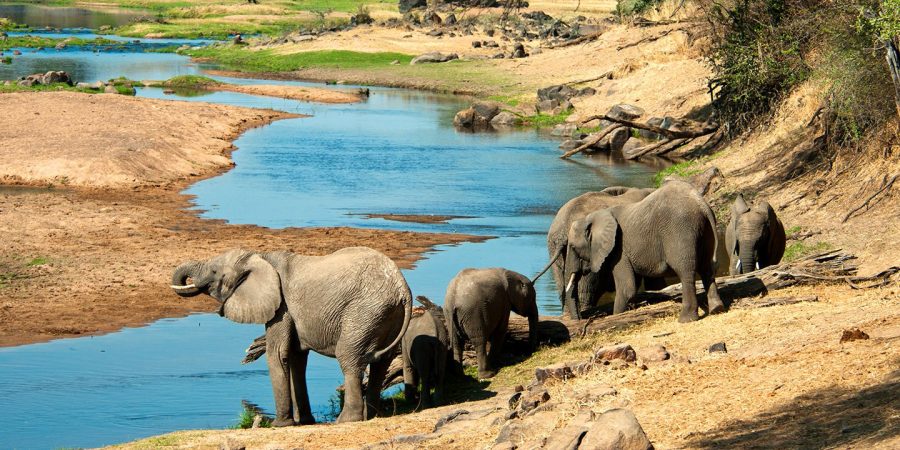
Ngorongoro Crater is renowned for its exceptional concentration of wildlife, making it one of the best places in Tanzania for game viewing. The crater supports several members of Africa’s Big Five, including elephants, lions, leopards, buffaloes, and rhinoceroses.
Visitors may also encounter zebras, wildebeests, gazelles, hippos, hyenas, and other wildlife across the crater floor. The endangered black rhinoceros is particularly significant, as the Ngorongoro Conservation Area provides important habitat for this threatened species.
Bird Watching
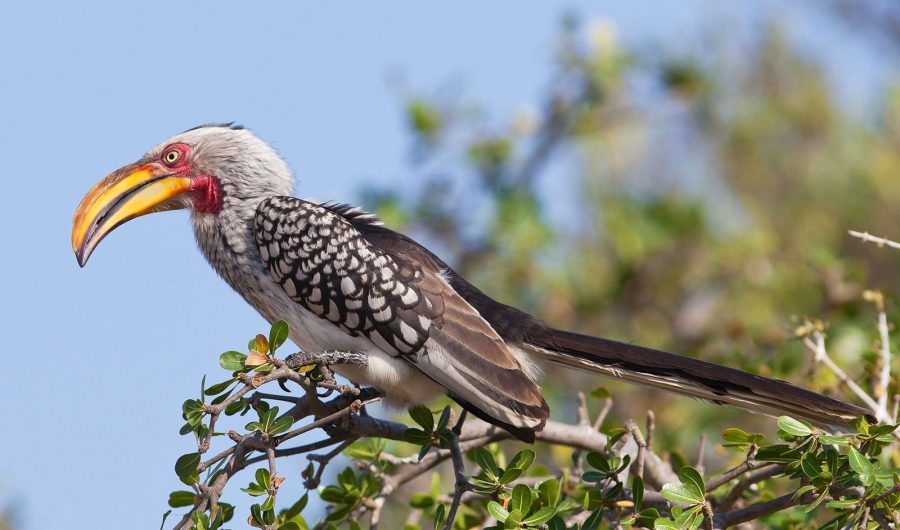
Ngorongoro Crater is an excellent destination for bird watching, with more than 500 bird species recorded within the broader conservation area. Flamingos can often be seen around the crater’s lakes, while other species include ostriches, crowned cranes, raptors, storks, and a variety of smaller birds.
The combination of grasslands, forests, wetlands, lakes, and surrounding highlands creates diverse habitats that support a rich variety of birdlife.
Scenic Beauty
The scenery of Ngorongoro Crater is one of its greatest attractions. The steep crater walls form a spectacular natural amphitheatre surrounding the wildlife-rich floor, creating exceptional views for visitors.
The crater floor includes open grasslands, acacia woodlands, wetlands, lakes, and other habitats. The combination of dramatic landscapes and abundant wildlife makes the area particularly attractive for photography and sightseeing.
Activities
Visitors to Ngorongoro Crater and the surrounding conservation area can enjoy a variety of activities and experiences.
- Game Drives: Explore the crater floor by safari vehicle and observe a wide variety of wildlife in their natural environment.
- Bird Watching: Discover the area’s diverse birdlife, including flamingos and many other resident and migratory species.
- Cultural Experiences: Visit Maasai communities in appropriate areas of the Ngorongoro Conservation Area to learn about local traditions, lifestyles, and cultural heritage.
- Guided Walking Experiences: Walking experiences in permitted areas of the conservation area provide opportunities to explore the natural environment more closely while accompanied by trained guides.
Best Time to Visit
Ngorongoro Crater can be visited throughout the year, although the dry season from June to October is generally considered a popular period for wildlife viewing. During these months, vegetation is often less dense and animals may be easier to spot around available water sources.
The period from November to May brings greener landscapes and seasonal rainfall. This time can be rewarding for visitors interested in lush scenery, bird watching, and opportunities to see young animals.
Accessibility
Ngorongoro Crater is located in northern Tanzania and is easily accessible from Arusha, an important gateway to Tanzania’s northern safari circuit. The journey from Arusha to the Ngorongoro area takes several hours by road, depending on the route and travel conditions.
Visitors can also fly into Kilimanjaro International Airport or Arusha Airport before continuing by road to the conservation area. Ngorongoro Crater is commonly combined with other northern Tanzania destinations such as Tarangire National Park, Lake Manyara National Park, and Serengeti National Park.
Ngorongoro Crater Safari Packages
Ngorongoro Crater offers a unique and unforgettable safari experience with abundant wildlife, spectacular scenery, diverse habitats, and rich cultural significance. A Ngorongoro Crater safari is an excellent choice for travelers exploring northern Tanzania and looking for an authentic African wildlife experience.