Tanzania is renowned for its spectacular safari experiences, diverse landscapes, abundant wildlife, and rich cultural heritage. Choosing the best time to visit Tanzania depends on what you want to experience, whether it is the Great Migration, wildlife viewing, bird watching, Mount Kilimanjaro, or a relaxing beach holiday in Zanzibar.
Tanzania can be visited throughout the year, but different seasons offer different experiences. The dry season generally provides excellent wildlife viewing, while the green season brings lush landscapes, fewer visitors, and excellent opportunities for photography and bird watching.
The best time to visit Tanzania for safari depends on the destination and wildlife experience you want. The dry months from June to October are generally excellent for wildlife viewing because animals often gather around available water sources and vegetation is less dense.
However, the green season from November to May can also be rewarding, especially for travelers interested in bird watching, photography, fewer crowds, and lush scenery.
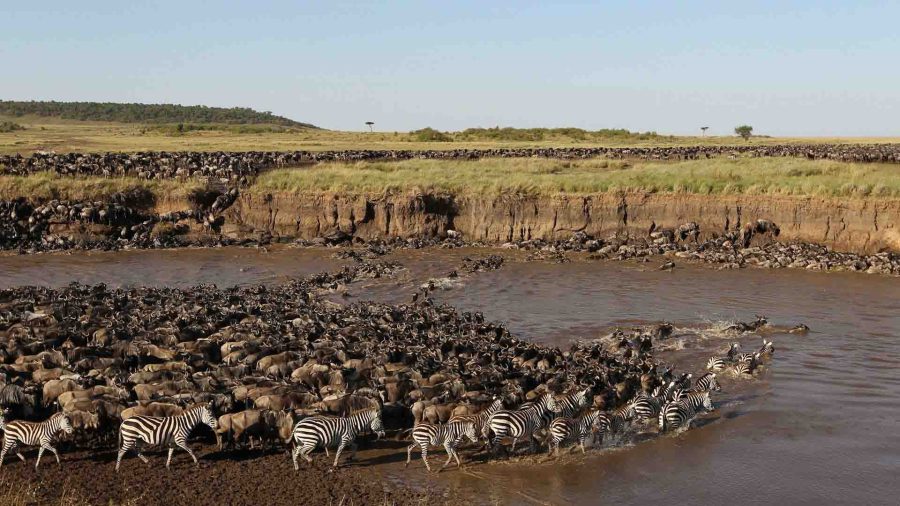
The Serengeti Great Migration is one of Tanzania’s most spectacular wildlife experiences. More than a million wildebeest, together with large numbers of zebras and gazelles, move through the Serengeti ecosystem in search of fresh grazing and water.
The migration occurs throughout the year, so the best time to visit Tanzania for the Great Migration depends on where the herds are expected to be.
From January to March, large numbers of wildebeest gather in the southern Serengeti and Ndutu area for the calving season.
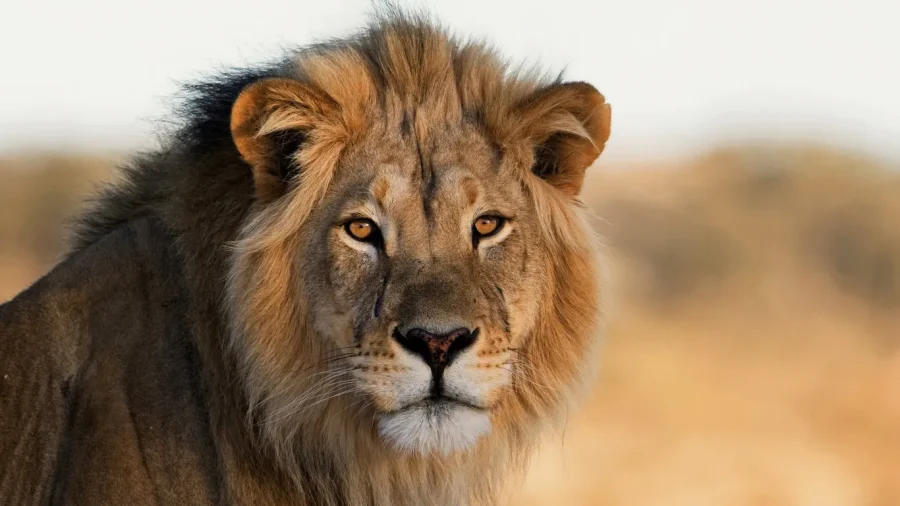
The green landscapes provide excellent conditions for wildlife photography, while newborn animals attract predators such as lions, cheetahs, and hyenas.
This period is particularly attractive for visitors who want to experience the beginning of the migration cycle and observe predator activity.
April and May are associated with the long rains. The Serengeti becomes exceptionally green, creating beautiful scenery and excellent photographic opportunities.
The number of tourists is often lower during this period. By June, the migration begins moving toward the western and northern parts of the Serengeti.
July to October is one of the most popular periods for visiting Tanzania.
During these months, parts of the migration move through the northern Serengeti toward the Mara River area. Visitors may have opportunities to witness dramatic river crossings when conditions and herd movements align.
The dry weather also makes wildlife easier to locate in many safari areas.
The short rains usually begin around November, bringing fresh vegetation to the Serengeti.
The migrating herds gradually move southward toward the southern plains, beginning another stage of the annual migration cycle.
This period can provide a quieter safari experience, with refreshed landscapes and good wildlife viewing.
Ngorongoro Crater offers excellent wildlife viewing throughout the year. Its enclosed ecosystem supports a large concentration of wildlife, making it one of Tanzania’s most rewarding safari destinations.
From June to October, the dry season generally provides excellent conditions for wildlife viewing.
Animals can be easier to spot in areas where water is available, while the vegetation is less dense. The crater’s resident wildlife, including lions, elephants, buffaloes, and other species, can often be seen during game drives.
From November to May, the landscape becomes greener and more vibrant.
The rainy period can produce beautiful scenery, and bird watching can be particularly rewarding. January to March can also coincide with the broader calving season in northern Tanzania.
Tarangire National Park is famous for its large elephant herds, ancient baobab trees, diverse wildlife, and seasonal landscapes.
June to October is generally an excellent period for visiting Tarangire National Park.
As water becomes less available in surrounding areas, wildlife may concentrate around the Tarangire River and other permanent water sources.
Elephants, giraffes, zebras, buffaloes, lions, and other wildlife can be observed during game drives.
From November to May, rainfall transforms Tarangire into a greener landscape.
This period is particularly attractive to bird watchers because migratory and resident bird species can be observed throughout the park.
The green scenery also provides excellent opportunities for nature photography.
Ruaha National Park offers a more remote safari experience, with extensive wilderness, diverse wildlife, and spectacular landscapes.
June to October is generally considered one of the best periods for wildlife viewing in Ruaha.
During the dry season, animals often gather around rivers and remaining water sources. This can make wildlife easier to locate during game drives.
The green season brings fresh vegetation and dramatic landscapes to Ruaha.
Bird watching can be particularly rewarding during this period, while fewer visitors can create a quieter safari atmosphere.
Nyerere National Park, formerly associated with the Selous Game Reserve, is known for its wilderness, wildlife, Rufiji River, and boat safari experiences.
The dry season can provide excellent wildlife viewing in Nyerere National Park.
Animals often gather around water sources, while boat safaris along the Rufiji River provide opportunities to see hippos, crocodiles, birds, and other wildlife.
The green season brings lush vegetation and beautiful scenery.
This period can be particularly appealing to photographers and bird watchers who enjoy vibrant landscapes and fewer visitors.
Zanzibar is an excellent beach extension before or after a Tanzania safari.
The island offers white-sand beaches, turquoise waters, historic Stone Town, spice farms, and a variety of marine activities.
June to October is generally an excellent period for a Zanzibar beach holiday.
The weather is usually favorable for swimming, snorkeling, diving, sightseeing, and exploring the island’s beaches and cultural attractions.
November to March can also be a good period to visit Zanzibar.
Although short rains can occur, the island remains warm and tropical. Travelers may enjoy fewer crowds and opportunities to experience Zanzibar’s beaches and cultural attractions.
Tanzania is home to a remarkable variety of bird species, making it an attractive destination for bird watchers.
The period from November to April can be particularly rewarding because migratory birds join resident species.
National parks such as Serengeti, Tarangire, Lake Manyara, Nyerere, Ruaha, and Arusha National Park offer different habitats and bird-watching opportunities.
Photographers can visit Tanzania throughout the year, but different seasons provide different photographic opportunities.
The dry season often provides clearer visibility and easier wildlife sightings, while the green season produces vibrant landscapes, dramatic skies, and excellent conditions for landscape photography.
Travelers looking for a quieter safari experience may consider the green season, particularly during periods of higher rainfall.
Fewer visitors can mean a more peaceful experience at some destinations, while the landscapes can be especially beautiful after rainfall.
Tanzania offers much more than traditional game drives. Visitors can combine safari experiences with mountain climbing, cultural tours, walking safaris, bird watching, and beach holidays.
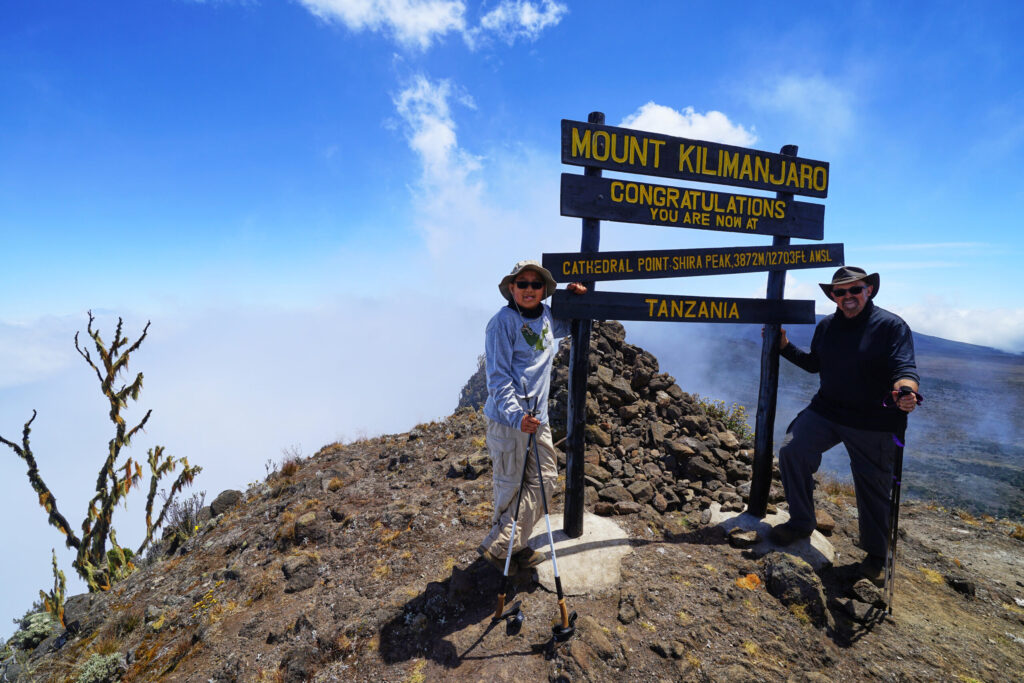
The commonly preferred climbing periods are January to March and June to October because these months generally offer more favorable weather conditions.
Mountain weather can change quickly, so climbers should follow the guidance of experienced mountain guides and local authorities.
Dry periods can be particularly suitable for walking safaris because trails are generally easier to navigate.
Walking safaris should always be conducted with authorized guides and according to local park regulations.
Cultural experiences can generally be enjoyed throughout the year.
Visitors can combine their safari with cultural visits to communities around destinations such as Arusha, Ngorongoro, and other areas of Tanzania.
This period is excellent for experiencing the calving season in the Serengeti and enjoying green scenery.
The long rains bring lush landscapes and fewer visitors. Some roads may become muddy, so careful safari planning is important.
This is one of the most popular periods for Tanzania safaris. Wildlife viewing is generally excellent, and conditions are favorable for many safari activities.
The short rains refresh the landscapes and begin another phase of the annual wildlife cycle.
The right travel period depends on your priorities.
If your main goal is excellent general wildlife viewing, consider the dry season from June to October.
If you want to experience the Serengeti calving season, January to March can be an excellent choice.
If you want to see the northern Serengeti migration, July to October can be particularly interesting.
If you prefer lush landscapes, bird watching, and fewer visitors, consider the green season.
If your main goal is a beach holiday, Zanzibar can be visited during several favorable periods throughout the year.
Choosing the best time to visit Tanzania is an important part of planning your safari. Tanzania offers remarkable wildlife and natural experiences throughout the year, but each season provides something different.
Whether you want to witness the Great Migration in the Serengeti, explore the Ngorongoro Crater, see elephants in Tarangire, experience the wilderness of Ruaha and Nyerere, climb Mount Kilimanjaro, or relax on the beaches of Zanzibar, planning around the season can help you get the experience you want.
African Woodland Safaris can help you plan a Tanzania safari based on your preferred destinations, travel dates, wildlife interests, and activities.
Start planning your Tanzania safari and discover the best experiences Tanzania has to offer.

Don’t wait contact us now and hear back from our safari experts within 24 hours.
WhatsApp us