Mount Kilimanjaro, Africa’s highest peak at 5,895 meters (19,341 feet), is a popular destination for trekkers from around the world. How long does it take to climb Mount Kilimanjaro? The answer depends on the route you choose, your acclimatization schedule, and the trekking itinerary.
Most Mount Kilimanjaro climbing routes take approximately 5 to 9 days, although longer itineraries are generally preferred because they allow more time for acclimatization and can improve the chances of reaching the summit.
The number of days required to climb Mount Kilimanjaro varies according to the route. Shorter routes may take around five to six days, while longer routes can take seven to nine days.
For many trekkers, choosing a longer itinerary provides additional time to adjust to the increasing altitude. Your tour operator and mountain guide can recommend an itinerary based on the route, experience, and trekking conditions.
Mount Kilimanjaro has several established climbing routes. Each route has a different Kilimanjaro climbing duration, landscape, difficulty, and acclimatization profile.
The Machame Route is one of the most popular Kilimanjaro climbing routes. It normally takes about 6 to 7 days, depending on the selected itinerary.
The route passes through several vegetation zones and offers impressive scenery. Its longer itineraries provide opportunities for gradual acclimatization before the summit attempt.
The Marangu Route generally takes about 5 to 6 days. It is different from most other routes because trekkers stay in mountain huts rather than camping throughout the climb.
Although it can be completed in fewer days, adding an extra acclimatization day can make the itinerary more comfortable.
The Lemosho Route usually takes around 7 to 8 days. It is known for its scenic landscapes and longer approach, giving trekkers more time to adapt to altitude.
Because of its longer itinerary, Lemosho is a popular choice for travelers looking for a gradual Mount Kilimanjaro trekking experience.
The Rongai Route generally takes approximately 6 to 7 days. It approaches Mount Kilimanjaro from the northern side and provides a different perspective of the mountain.
The route passes through a variety of landscapes before joining the upper sections of the mountain.
The Northern Circuit is generally the longest Mount Kilimanjaro route, taking around 8 to 9 days.
Its longer itinerary allows extensive time for acclimatization and takes trekkers around much of the northern side of the mountain before approaching the summit.
Acclimatization is one of the most important factors when planning a Mount Kilimanjaro climb. As you ascend, the amount of available oxygen decreases, and your body needs time to adapt to the higher altitude.
A longer itinerary gives your body more time to adjust gradually. This is one reason why many trekkers choose a 7-day, 8-day, or 9-day itinerary instead of selecting the shortest available option.
Good acclimatization can make the climb more manageable and may reduce the likelihood of altitude-related problems. Trekkers should follow their guide’s instructions, maintain a steady pace, stay hydrated, and report any concerning symptoms immediately.
A typical Mount Kilimanjaro trek begins at a lower elevation and gradually moves through different ecological zones.
The lower slopes are covered by lush rainforest. Trekkers may encounter birds, plants, and other wildlife while walking through this green environment.
As the trail gains elevation, the rainforest gives way to heath and moorland. The landscape becomes more open, with distinctive vegetation adapted to the mountain environment.
Higher on the mountain, vegetation becomes increasingly sparse. The alpine desert has rocky terrain, limited vegetation, and significant changes in temperature between day and night.
The highest section of Mount Kilimanjaro is characterized by cold temperatures, rocky terrain, and limited vegetation. Trekkers attempting the summit usually begin the final ascent during the night or very early morning under the guidance of their mountain crew.
Although technical climbing skills are generally not required on the standard trekking routes, good preparation is important.
Walking, hiking, cycling, swimming, and other suitable aerobic activities can help develop endurance for long trekking days.
Strengthening the legs and core can help prepare you for extended periods of walking on uneven terrain.
Regular hiking is useful preparation. If possible, practice walking on hills and uneven terrain while carrying a suitable daypack.
Layered clothing is useful because temperatures change significantly as you gain altitude. Consider base layers, insulating layers, and waterproof outer clothing.
Comfortable, well-fitting hiking boots with good grip are important. It is advisable to use your footwear during training before the climb.
Useful equipment can include trekking poles, sunglasses, a headlamp, gloves, a warm hat, water bottles, and appropriate personal items.
Safety should always be a priority when trekking at high altitude.
Altitude-related illness can occur during high-altitude trekking. Common warning signs can include headache, nausea, dizziness, unusual tiredness, or difficulty breathing.
If you experience concerning symptoms, inform your mountain guide immediately. Do not ignore worsening symptoms or continue ascending against professional advice.
Always follow the instructions of your qualified mountain guide and trekking team. They can monitor your progress, recommend an appropriate pace, and advise you when conditions change.
Drink fluids regularly and eat enough food to maintain energy during the trek. Your trekking team can provide guidance based on the route and conditions.
The commonly preferred periods for climbing Mount Kilimanjaro are the drier months, particularly from June to October and January to February.
Weather conditions can vary on the mountain throughout the year, so travelers should check current conditions and receive advice from their tour operator before departure.
When deciding how many days to climb Mount Kilimanjaro, consider more than just the shortest possible itinerary.
A longer route may provide:
For many travelers, a 7-day or longer Kilimanjaro itinerary can provide a more gradual trekking experience than the shortest routes.
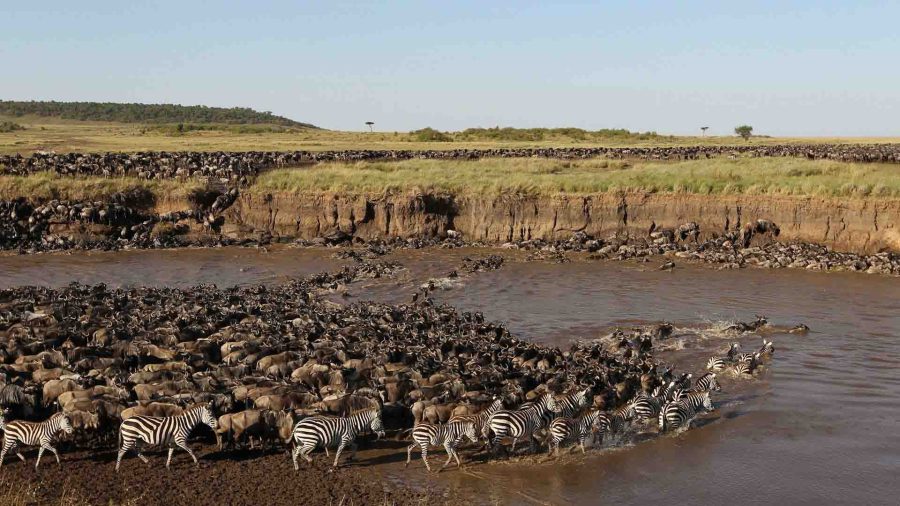
If you are planning a Tanzania adventure, you can combine a Mount Kilimanjaro climb with a Tanzania safari. Popular safari destinations include Serengeti National Park, Ngorongoro Crater, Tarangire National Park, and Lake Manyara National Park.
A combined trekking and safari itinerary allows visitors to experience both the mountain landscapes and Tanzania’s famous wildlife destinations.
Most Mount Kilimanjaro climbing itineraries take approximately 5 to 9 days, depending on the route and itinerary.
A longer itinerary generally provides more time for acclimatization. Many travelers choose routes lasting 7 days or longer.
The Northern Circuit is generally the longest established route and commonly takes around 8 to 9 days.
Some itineraries can be completed in approximately five days, but shorter itineraries provide less time for acclimatization. The appropriate itinerary should be selected with guidance from an experienced mountain operator.
Technical climbing experience is generally not required for the standard trekking routes, but good physical preparation, appropriate equipment, and professional guiding are important.
Mount Kilimanjaro offers an unforgettable trekking experience, from the lush rainforest on its lower slopes to the high-altitude summit environment. The Kilimanjaro climbing duration depends on your chosen route and itinerary, with most climbs taking between 5 and 9 days.
Choosing the right route, allowing sufficient time for acclimatization, preparing properly, and following the guidance of your mountain crew can help you have a safer and more enjoyable Mount Kilimanjaro trekking experience.
If you are planning your climb, explore our Mount Kilimanjaro Safari Tours and other Tanzania safari experiences to create a complete Tanzania adventure.
For the SEOPress internal links warning, add natural links from this article to relevant pages on your website, especially:

Don’t wait contact us now and hear back from our safari experts within 24 hours.
WhatsApp us