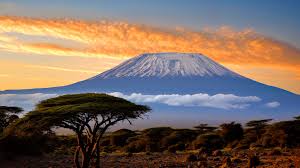
Mount Kilimanjaro, Africa’s highest mountain, offers an unforgettable adventure for trekkers from around the world. Choosing the best time to climb Mount Kilimanjaro is important for enjoying favorable weather, clearer views, and comfortable trekking conditions.
Kilimanjaro can be climbed throughout the year, but some months generally provide more favorable conditions than others. The main climbing seasons are influenced by rainfall, temperature, trail conditions, visibility, and the number of trekkers on the mountain.
Mount Kilimanjaro has several climate zones because of its great elevation. As climbers ascend from the lower slopes toward the summit, temperatures and landscapes change significantly.
Understanding these climatic zones can help you prepare properly and choose the best time to climb Mount Kilimanjaro.
The best time to climb Mount Kilimanjaro is generally during the drier periods of January to March and June to October. These months usually provide better trekking conditions, although mountain weather can change quickly at high altitude.
January to March is one of the favorable periods for Mount Kilimanjaro climbing.
During these months, conditions are generally suitable for trekking, with relatively dry weather and good opportunities for clear mountain views.
Advantages include:
Considerations:
June to October is another highly recommended period for climbing Mount Kilimanjaro. These months are popular because they generally experience drier weather and clearer skies.
Advantages include:
Considerations:
April and May are traditionally among the wetter months on Mount Kilimanjaro. Heavy rainfall can make some trails muddy and more challenging.
For travelers who prefer quieter trails, this period can offer fewer trekkers, but weather conditions should be considered carefully when planning a climb.
November and December can experience another period of rainfall. However, conditions can vary, and some trekkers still choose to climb during these months.
Choosing a suitable route is an important part of planning a Kilimanjaro trek. Different routes have different durations, landscapes, accommodation arrangements, and acclimatization opportunities.
The Marangu Route is one of the most established routes on Mount Kilimanjaro. It is known for hut accommodation and a relatively direct approach to the summit.
Typical duration: 5–6 days
Best time: January to March and June to October
The Machame Route is popular because of its varied scenery and camping experience. It provides opportunities for gradual acclimatization when planned over an appropriate number of days.
Typical duration: 6–7 days
Best time: January to March and June to October
The Lemosho Route is known for scenic landscapes and a longer approach that can provide valuable acclimatization time.
Typical duration: 7–8 days
Best time: January to March and June to October
The Rongai Route approaches Mount Kilimanjaro from the northern side. It is known for a quieter experience and different scenery from some of the southern routes.
Typical duration: 6–7 days
Best time: January to March and June to October
The Northern Circuit is the longest major route on Kilimanjaro. Its extended itinerary provides substantial time for acclimatization and exploration around the mountain.
Typical duration: 8–9 days
Best time: January to March and June to October
Choosing the best time to climb Mount Kilimanjaro is only one part of successful preparation. Trekkers should also prepare physically, mentally, and practically.
Begin preparing well before your planned climb. Walking, hiking, cycling, swimming, and other suitable endurance activities can help develop stamina.
Regular hiking can also help you become comfortable walking for several hours while carrying a daypack.
Proper clothing and equipment are essential because temperatures change significantly as you climb.
Important equipment may include:
Altitude is one of the most important considerations when climbing Kilimanjaro. A gradual ascent can give your body more time to adjust to increasing elevation.
Follow your guide’s instructions, maintain appropriate hydration, rest when necessary, and report any concerning symptoms to your guide immediately.
Travelers should also discuss high-altitude travel with a qualified healthcare professional before their trip, particularly if they have existing medical concerns.
There is no single perfect month for every traveler. The best month depends on your priorities, including weather, crowd levels, route choice, and personal travel schedule.
For generally favorable conditions, January, February, June, July, August, September, and October are commonly considered strong options.
If you prefer fewer trekkers, you may consider periods outside the busiest months while accepting a greater possibility of changing weather.
Understanding seasonal weather can help you choose the right period for your trek.
The dry seasons generally offer better trekking conditions, clearer skies, and less rainfall. These periods are especially popular with travelers planning their first Kilimanjaro climb.
The rainy periods can bring wetter trails, clouds, and more challenging conditions. However, the mountain can still be beautiful during these months, with lush vegetation and fewer visitors.
Selecting the best time to climb Mount Kilimanjaro can make your trekking experience more comfortable and enjoyable.
A suitable season can provide:
However, mountain weather is unpredictable, so trekkers should always be prepared for changing conditions regardless of the season.
Mount Kilimanjaro is one of Tanzania’s most remarkable travel destinations, combining dramatic landscapes, different ecological zones, and the challenge of reaching Africa’s highest summit.
Whether you choose to climb during January to March or June to October, careful preparation and an appropriate itinerary are essential.
If you are planning a Mount Kilimanjaro climb, explore our Mount Kilimanjaro Safari and climbing information pages to learn more about routes, preparation, and planning your Tanzania adventure.
The best time to climb Mount Kilimanjaro is generally during the drier periods of January to March and June to October. These seasons usually provide more favorable conditions for trekking, although weather can change quickly on the mountain.
By choosing an appropriate season, selecting a suitable route, preparing properly, and following experienced guides, you can make your Kilimanjaro trekking experience safer, more comfortable, and more memorable.

Don’t wait contact us now and hear back from our safari experts within 24 hours.
WhatsApp us