Understanding Tanzania weather is important when planning a safari, Mount Kilimanjaro trek, cultural tour, or beach holiday in Zanzibar. Tanzania has a varied climate influenced by its location near the equator, elevation, inland geography, and Indian Ocean coastline.
The country’s weather changes considerably between the northern safari areas, southern and western regions, mountain areas, and the tropical islands of Zanzibar and Pemba.
Knowing the Tanzania weather by month can help you choose the best period for wildlife viewing, outdoor activities, beach holidays, and other experiences.
Tanzania generally has a tropical climate, although conditions vary significantly depending on altitude and location. Coastal areas are warmer and more humid, while highland areas can be considerably cooler.
The country generally experiences dry and rainy periods, although the exact timing and intensity of rainfall differ between regions.
The climate of Tanzania can broadly be divided into several geographical areas:
The main Tanzania dry season generally occurs from June to October. This is one of the most popular periods for wildlife safaris because rainfall is limited in many safari areas and vegetation can become less dense.
The dry season is particularly attractive for travelers who want to combine safari activities with outdoor adventures.
Tanzania weather in June is generally becoming drier and cooler, particularly in northern and inland areas.
June can be an excellent month for safari because vegetation begins to thin in many areas, while wildlife becomes easier to locate around available water sources.
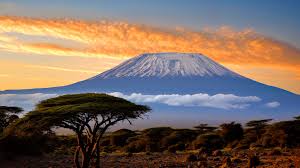
It is also a popular period for climbing Mount Kilimanjaro.
Tanzania weather in July is generally dry, with cooler mornings and evenings in many northern highland areas.
July is a popular month for safari travelers, especially those interested in the Serengeti and northern safari circuit.
Visitors should bring warm layers because early morning game drives can be chilly.
Tanzania weather in August is typically dry and comfortable for many outdoor activities.
Wildlife viewing can be excellent in parks such as Serengeti, Ngorongoro, Tarangire, and Ruaha. August is also a popular month for travelers visiting Zanzibar after a safari.
Tanzania weather in September remains predominantly dry in many parts of the country.
The combination of dry conditions and reduced vegetation can make wildlife easier to spot. September is also suitable for hiking, safari photography, and other outdoor activities.
Tanzania weather in October is generally warm and dry, although temperatures may begin increasing before the arrival of the short rains in some areas.
October can be a good month for combining wildlife safaris with a beach holiday.
Tanzania has two main rainfall periods in many areas: the long rains and the short rains. However, rainfall patterns vary significantly by region.
The rainy periods can transform Tanzania’s landscapes into lush green environments and can provide excellent opportunities for photography and bird watching.
The long rains generally occur around March to May in many parts of Tanzania.
Rainfall can be heavier during this period, particularly in some northern and coastal areas.
Although some roads and trails can become more challenging, the rainy season can offer:
The short rains generally occur around November and December, although timing varies by region.
These rains are often shorter than the long rains and can bring fresh vegetation to many safari areas.
The short-rain period can be attractive for travelers looking for greener scenery and fewer crowds.
Tanzania safari weather plays an important role in determining wildlife-viewing conditions.
During dry periods, animals in many parks tend to concentrate around rivers, lakes, waterholes, and other reliable water sources. Reduced vegetation can also make animals easier to see.
During wetter periods, landscapes become greener and wildlife can spread over larger areas because water is more widely available.
The Serengeti can be visited throughout the year, but different periods provide different experiences.
Dry months can provide excellent general wildlife viewing, while the green season can offer beautiful scenery, birdlife, and opportunities to experience different stages of the Great Migration.
Travelers interested in the migration should plan according to the expected location and movement of the herds rather than relying only on a fixed calendar.
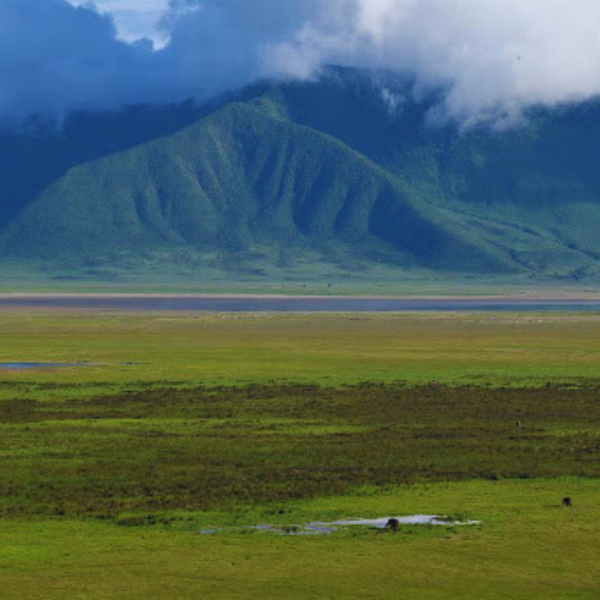
The Ngorongoro Crater offers wildlife viewing throughout the year.
During drier periods, animals may gather around water sources, while rainy periods create lush green scenery and can bring excellent photographic conditions.
The crater’s high elevation also means temperatures can be cooler than in many other safari destinations.
Tarangire is particularly interesting during the dry season because wildlife often gathers around the Tarangire River and other permanent water sources.
The park’s famous baobab trees and open landscapes provide excellent scenery for photography and game drives.
Zanzibar weather is generally warm and tropical throughout the year because of the island’s location in the Indian Ocean.
Temperatures remain relatively warm, while rainfall varies seasonally.
Zanzibar is suitable for beach holidays, snorkeling, diving, cultural tours, and Stone Town visits throughout much of the year.
The dry periods are generally popular for beach holidays because they offer favorable conditions for swimming, snorkeling, diving, and sightseeing.
The wetter periods can still be enjoyable, particularly for travelers who prefer fewer visitors and lush tropical scenery.
Always check current local weather conditions before planning specific activities.
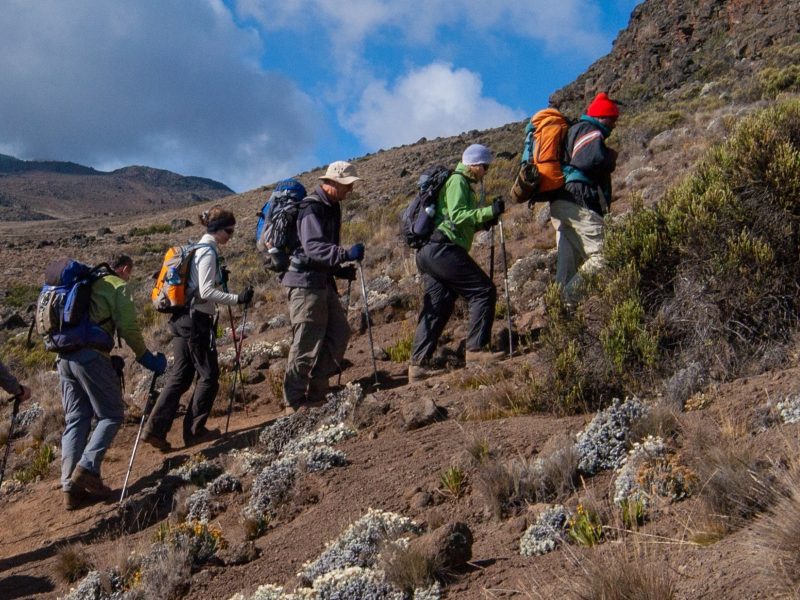
Weather is especially important when planning a Mount Kilimanjaro climb.
Temperatures decrease significantly as altitude increases. Climbers can experience warm conditions in lower areas, cooler temperatures in the forest and moorland zones, and very cold conditions near the summit.
The most popular climbing periods generally correspond with the drier seasons.
January to March and June to October are commonly considered favorable periods, although mountain weather can change quickly at any time of year.
Proper clothing, preparation, acclimatization, and guidance are essential regardless of the season.
Travelers planning a trip can use the following general overview:
January is generally warm, with varying rainfall depending on the region. Northern safari areas can offer excellent wildlife experiences, including the calving period in parts of the Serengeti ecosystem.
February is generally warm and can be an excellent period for experiencing the green landscapes and wildlife activity of northern Tanzania.
March can bring increasing rainfall in many regions. Landscapes remain green, while weather conditions can vary from one destination to another.
April is commonly associated with heavier rainfall in many parts of Tanzania. Travelers can experience lush landscapes and fewer visitors, although some roads may become more challenging.
May can continue to experience rainfall, particularly early in the month. The countryside is generally green, creating attractive conditions for photography and nature experiences.
June marks the beginning of one of the country’s most popular dry periods. Safari conditions generally improve as rainfall decreases.
July is usually dry and is one of the busiest months for safari tourism. Morning and evening temperatures can be cool, particularly in highland areas.
August is generally dry, with warm daytime conditions and cooler mornings and evenings in many areas.
September remains predominantly dry in many regions and can provide excellent conditions for safari and outdoor activities.
October is generally warm and dry, although some regions may begin receiving short rains toward the end of the month.
November can bring short rains in many areas. Landscapes begin becoming greener, and birdlife can be particularly interesting.
December is generally warm, with rainfall varying between regions. The month can be a good time for combining safari experiences with a Zanzibar beach holiday.
The best time to visit Tanzania depends on what you want to experience.
For general wildlife viewing, the dry season from June to October is often popular because animals can be easier to spot.
For travelers interested in green landscapes, bird watching, and fewer crowds, parts of the rainy seasons can be rewarding.
For a beach holiday, Zanzibar can be visited throughout much of the year, with the drier periods generally preferred for beach activities.
For Mount Kilimanjaro, January to March and June to October are commonly favored because of generally more favorable weather conditions.
Packing appropriately for Tanzania weather depends on your destination and the time of year.
Consider bringing:
For Zanzibar, lightweight tropical clothing is generally suitable. Bring swimwear for appropriate beach areas, comfortable footwear, sun protection, and clothing suitable for visiting cultural and religious sites.
A Kilimanjaro climb requires a much more comprehensive clothing system because temperatures change dramatically with altitude.
Climbers should prepare suitable base layers, insulation, waterproof outer layers, warm gloves, headwear, and appropriate trekking footwear.
When planning your trip, consider the following:
Tanzania generally has a tropical climate, but weather varies considerably depending on location and altitude. Coastal areas are warm and humid, while highland and mountain areas can be much cooler.
There is no single best month for every traveler. June to October is popular for general safari experiences, while January to March can be excellent for green-season landscapes and wildlife activity.
Many areas experience long rains around March to May and shorter rains around November and December. However, rainfall patterns vary between regions.
Many lowland and coastal areas remain warm throughout the year, but temperatures vary considerably with altitude. Mount Kilimanjaro and other high-altitude areas can be very cold.
Zanzibar has a warm tropical climate throughout the year. Rainfall varies seasonally, but temperatures generally remain warm.
Dry-season conditions from June to October are often popular for safari because vegetation is less dense and wildlife may gather around permanent water sources.
Understanding Tanzania weather can help you choose the right destination, activities, clothing, and travel period for your journey.
Whether you are planning a wildlife safari in the Serengeti, Ngorongoro Crater or Tarangire, a remote adventure in Ruaha or Nyerere National Park, a climb up Mount Kilimanjaro, or a relaxing beach holiday in Zanzibar, Tanzania offers rewarding experiences throughout the year.
The ideal travel period ultimately depends on your interests, destination, and preferred experience. By researching the Tanzania climate, seasonal conditions, and destination-specific weather before travelling, you can prepare properly and make the most of your Tanzania adventure.
Ready to explore Tanzania? Contact African Woodland Safaris to start planning your safari, Kilimanjaro adventure, or Zanzibar holiday.

Don’t wait contact us now and hear back from our safari experts within 24 hours.
WhatsApp us